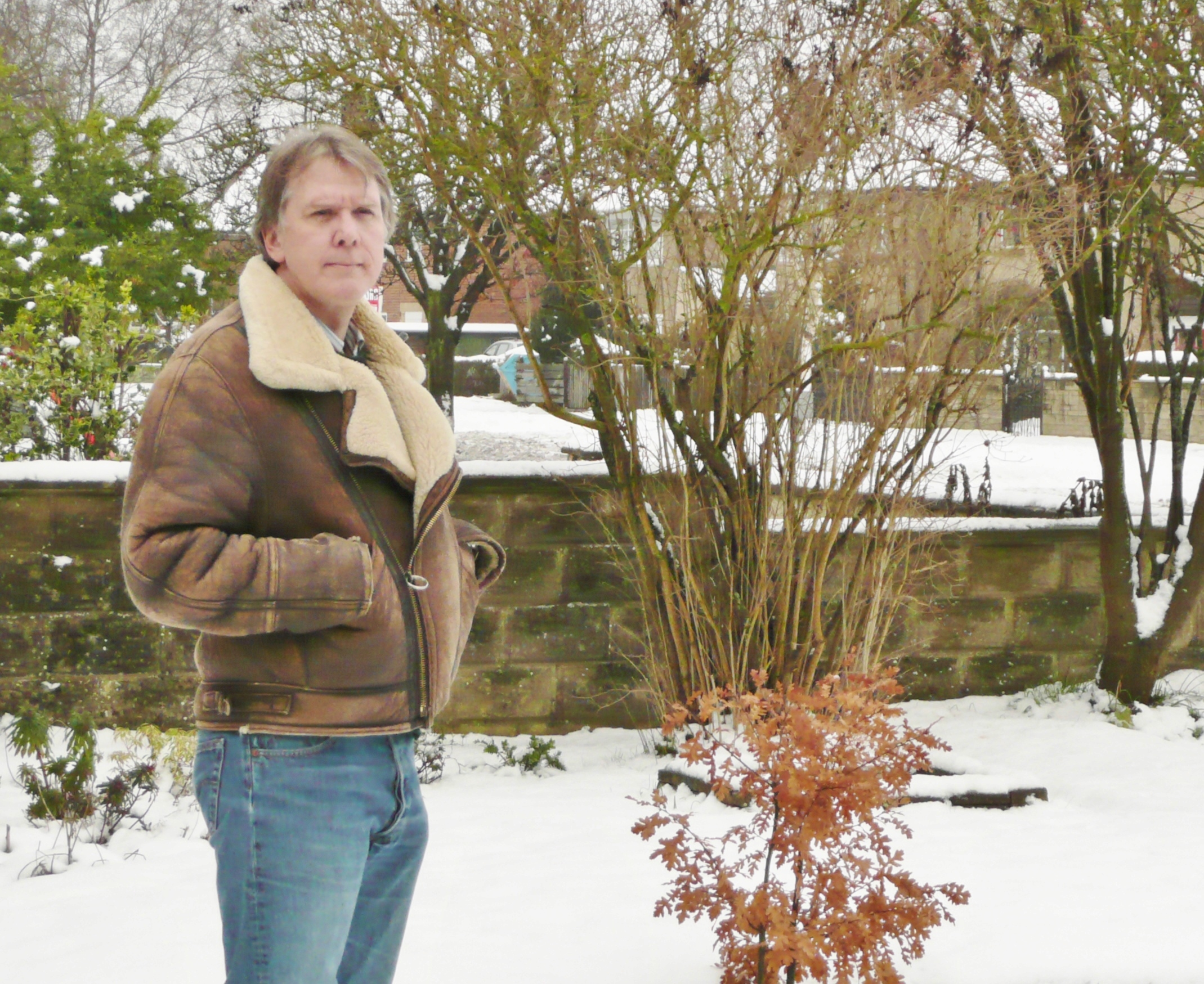
My Journey
Epiphany. At school I was a classic underachiever, seeing no point in anything the ex-grammar school staff tried to cane into us. And since I was from a solid working class family/background I left at 16 to get a job and contribute towards my upkeep. I drifted along, trying various jobs for a few years, until suddenly ‘waking up’ in the works canteen of a labouring job. One lunch break, as my workmates played cards to increase their earnings from each other, I was sat at a table reading a book I’d borrowed from a public library on essays in philosophical psychology (Daniel C. Dennett’s The Mind’s Eye). I looked around me, looked at what I was doing, and a thought shot through me like lightning: “I don’t belong here, I should be somewhere else.” The contrast between who I was and where I was had to be that great to wake me up – to start me thinking for myself.
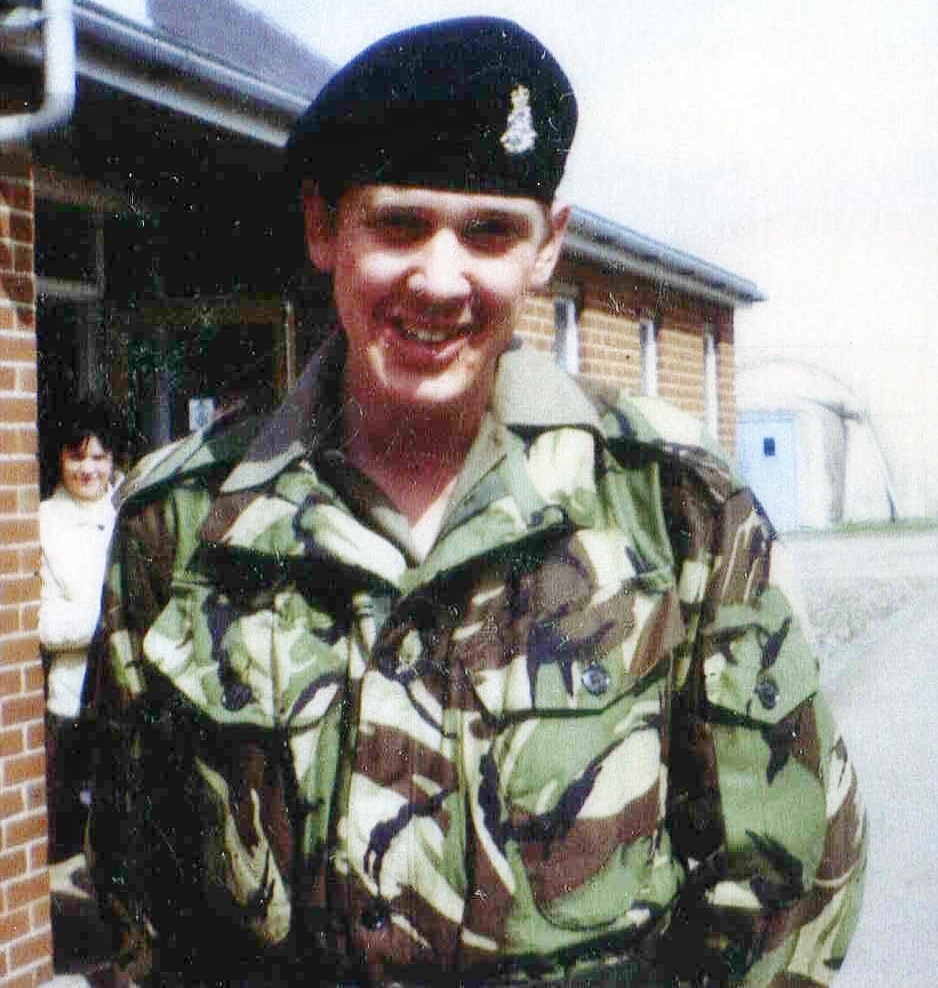
Territorial Army at 18
First Steps. Having ‘woken up’ from a lifetime of social-cultural sleepwalking, of mistaking appearance for reality, I had to somehow think through my own way out – pulling myself up by my bootstraps, so to speak. Since the book I’d been reading was on philosophical psychology, I decided to return to education to study ‘A’ level philosophy and psychology. Unfortunately, the philosophy course collapsed through lack of numbers, and I could see that the psychology course was entirely empiricist – full of behaviourism and biologism (too much B.F. Skinner and the structure of the brain) – and was schooling me into thinking in one narrow way, which I intuitively rejected. I understood that what I needed was to improve my powers of abstract thought. So I then decided to study two other subjects which I thought would do just that – Sociology and General Studies. In the meantime, I was reading a variety of books about understanding a deeper reality behind appearances by authors such as Paul Brunton and Carlos Casteneda (along with books in popular science and history of science). After reading each one I’d agree with the author, find their arguments plausible, but then be unable to form a judgement on them. I realised I lacked any conceptual framework by which to assess their truth or otherwise, and decided that’s what I needed to acquire somehow. Around this time it dawned on me that there were 3 basic forces of knowledge, which are also forces of social authority. For the way we are told to see reality becomes the way we are controlled. These are religion (the Priest tells us what reality is and how we should behave), science (the white-coated scientist tells us what reality is, and therefore what is possible) and reason (logic tells us what right thinking is). So I decided to go to university to study Religious Studies, History of Science and Philosophy as first-year subjects. In this way, I hoped to construct the conceptual framework I needed to judge claims about reality correctly – to see things clearly.
Foundations. After the first BA year, I dropped Religious Studies and focussed on History of Science and Philosophy. I decided to take advantage of Lancaster University’s School of Independent Studies to construct, research and complete my own BA (Hons) degree in the history and philosophy of quantum theory (the wave-particle convergence of optics and physics), without relying upon any tutor or taught courses on the subject. My final year double dissertation could not be assessed at Lancaster; a UK-wide email request resulted in its being awarded a First by the then Head of Cambridge University’s Dept. of History & Philosophy of Science.
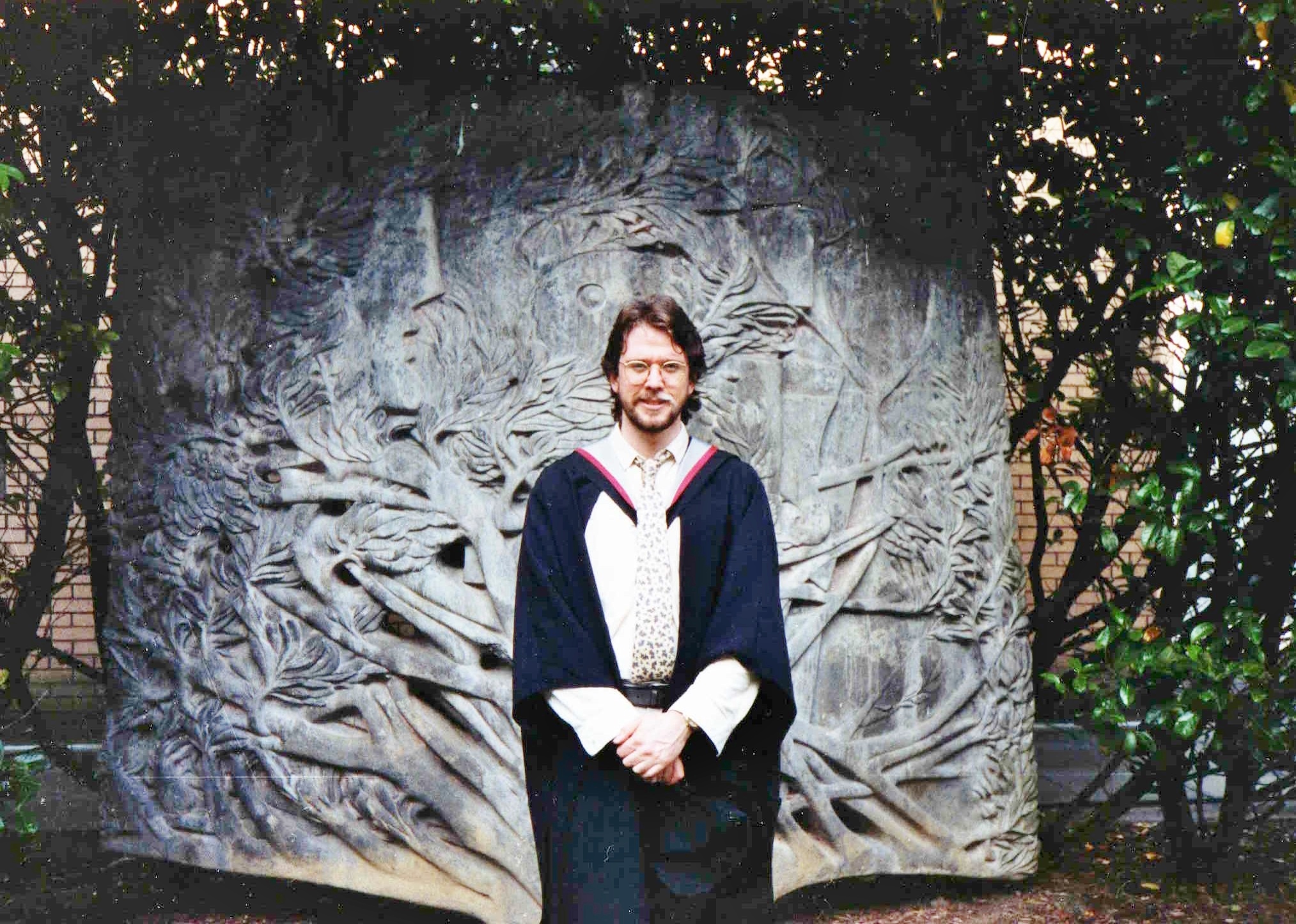
BA Degree 1991
Scholarship. Whilst at Lancaster University, I was one of 4 applicants out of 200 to win a University of California scholarship to spend the second BA year at a University of California Campus. I went to Santa Cruz (UCSC). I won a scholarship for when I arrived in California, but had no cash for airfare. So I sold all my albums and my hi-fi system to buy a one way-ticket to California – as my first ever trip abroad. Here I was able to choose modular courses from a broad spectrum of disciplines relevant to my own BA syllabus.
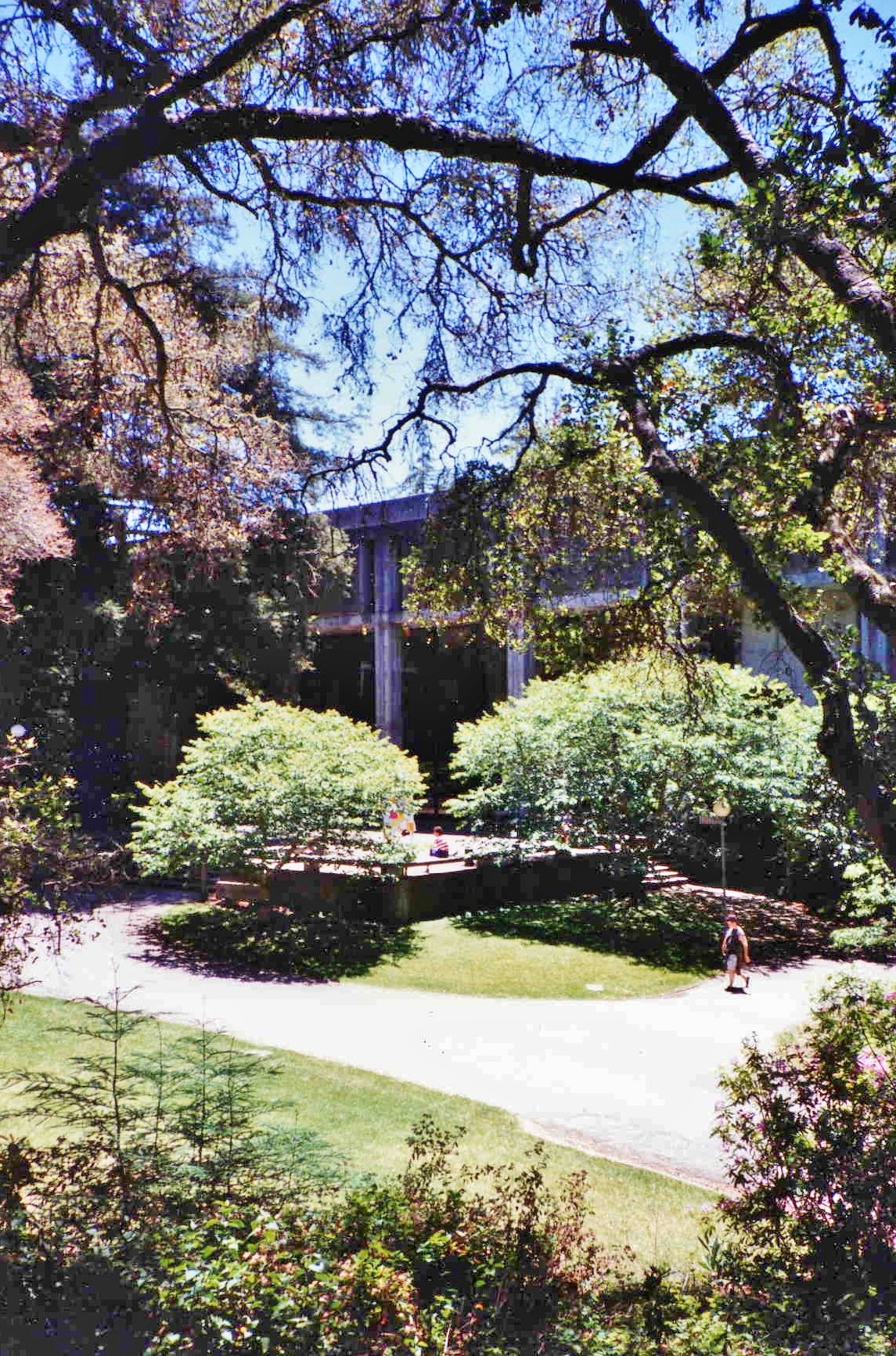
UCSC campus library
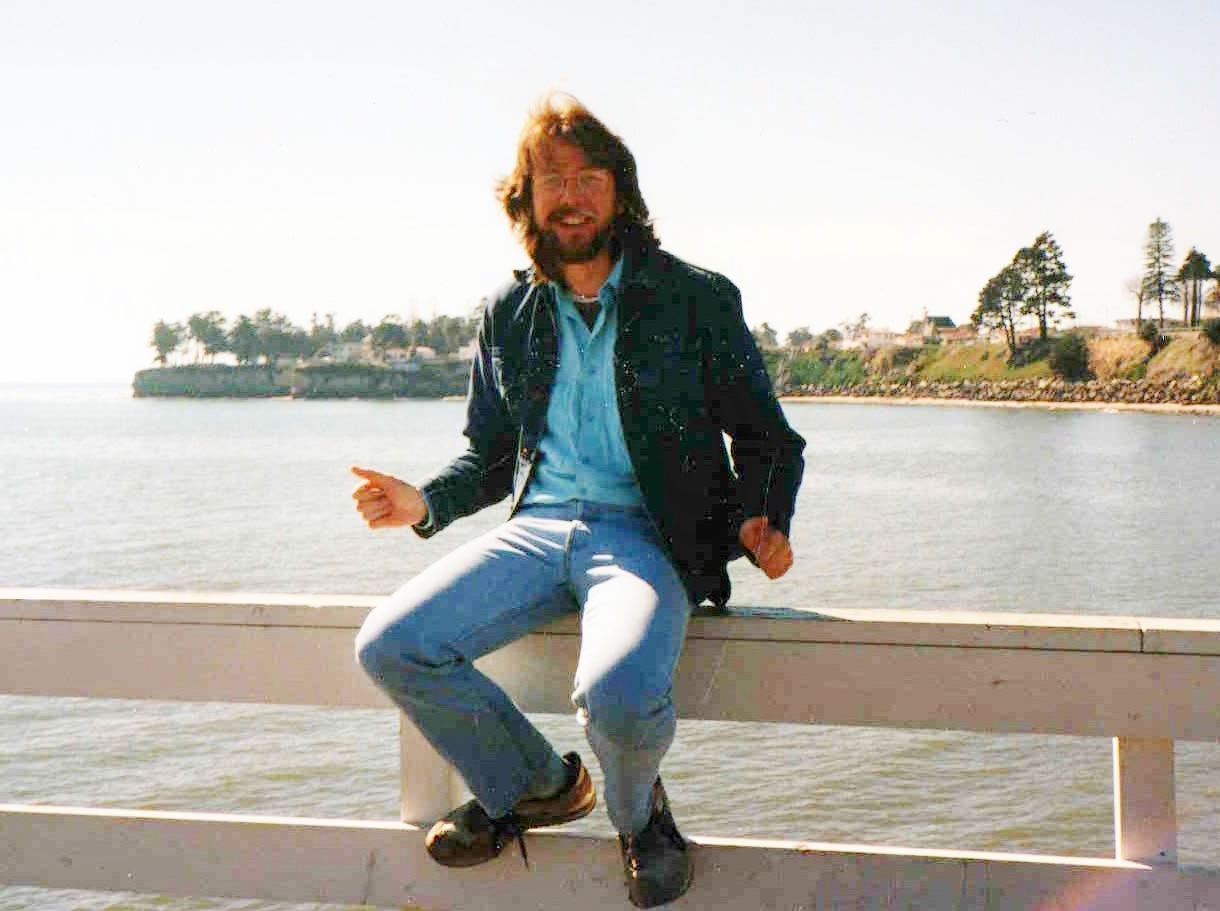
Me on Santa Cruz Pier 1990
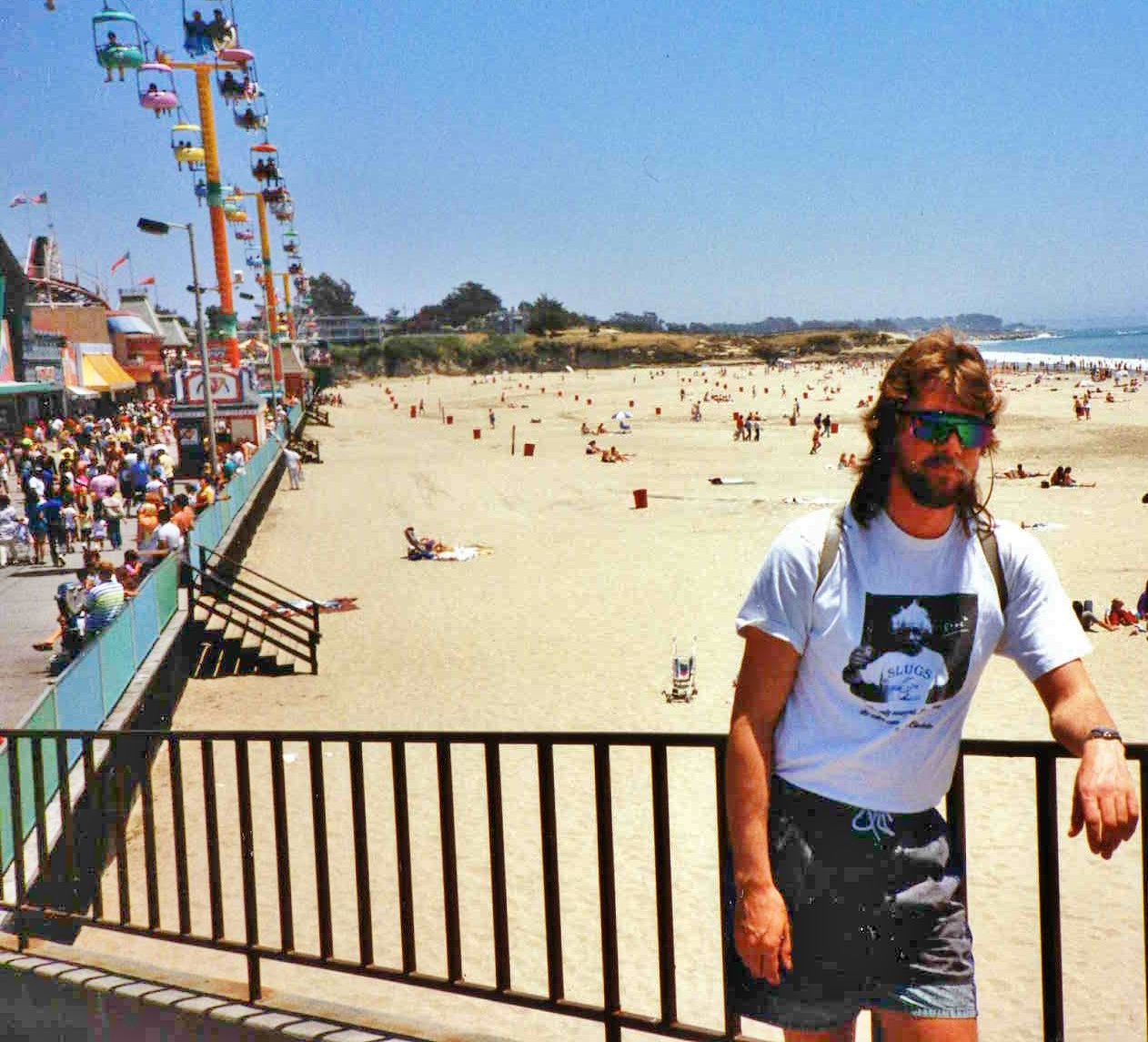
Me on the boardwalk
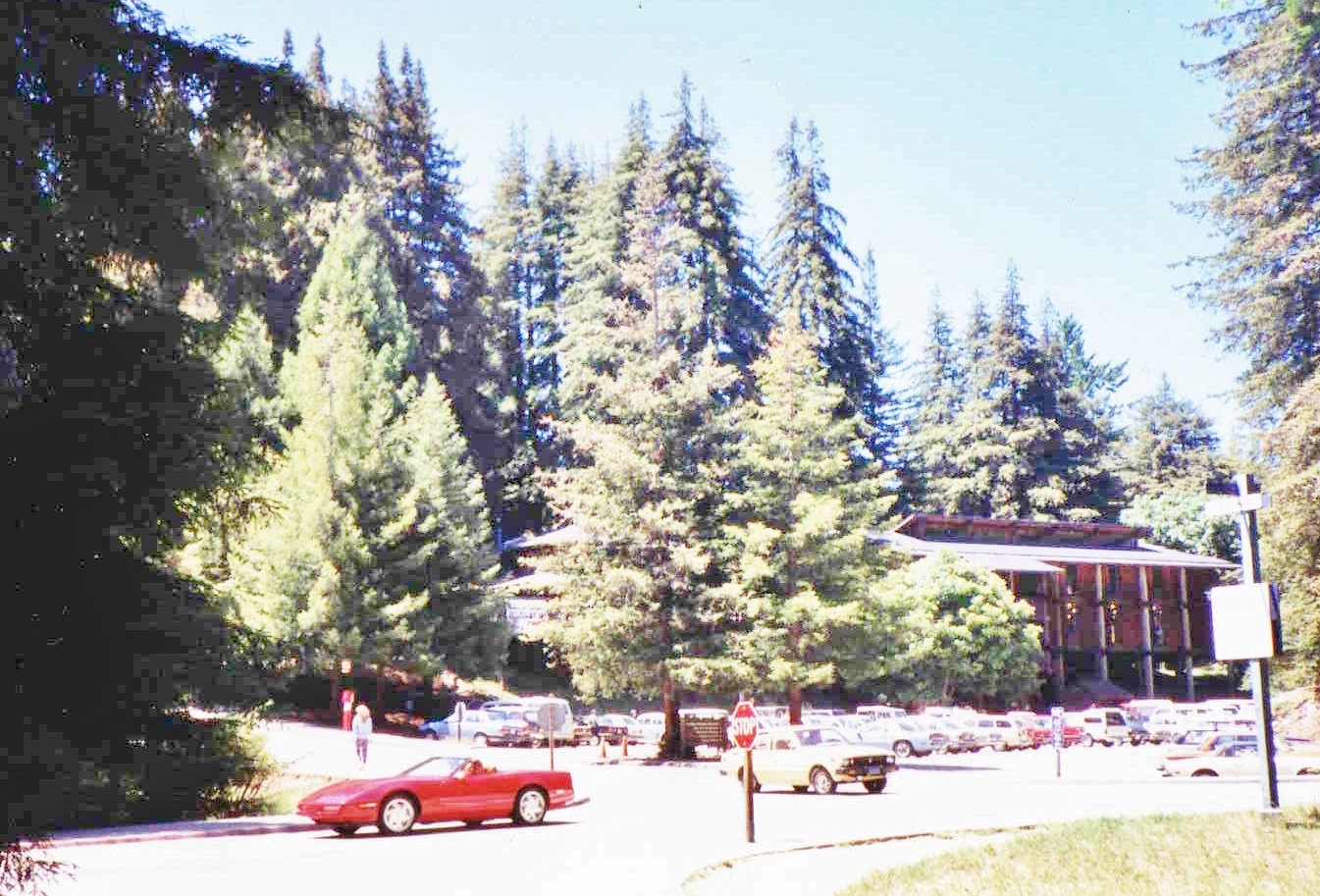
UCSC bookshop/cafe
Masters. I later obtained a Masters with Distinction in the history & philosophy of science at Leeds University. My prior research in the history of optics and physics had enabled me to construct a novel argument about the optical foundations of laws of nature, in response to a visiting lecturer’s presentation of contemporary arguments about the origins of such laws.
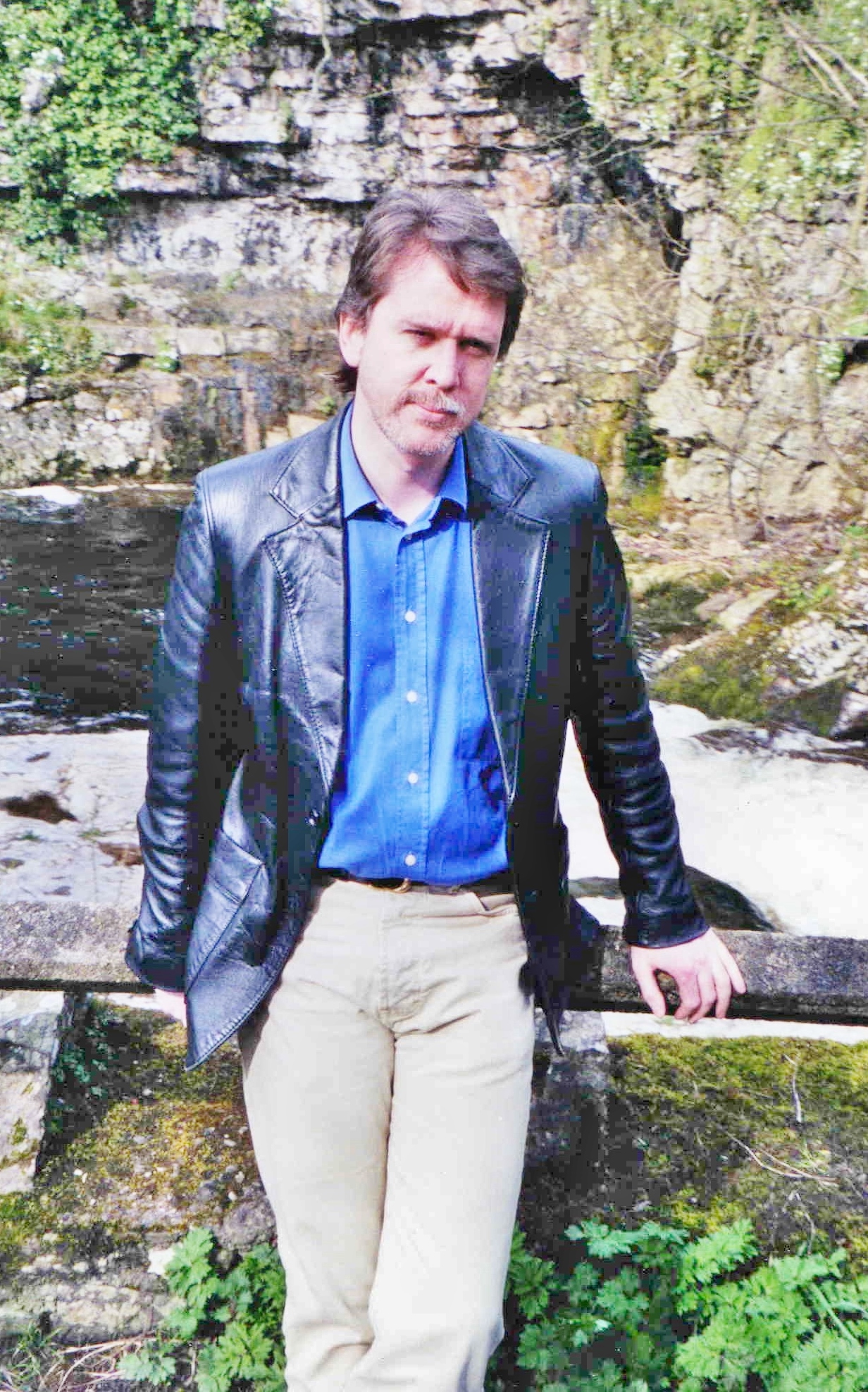
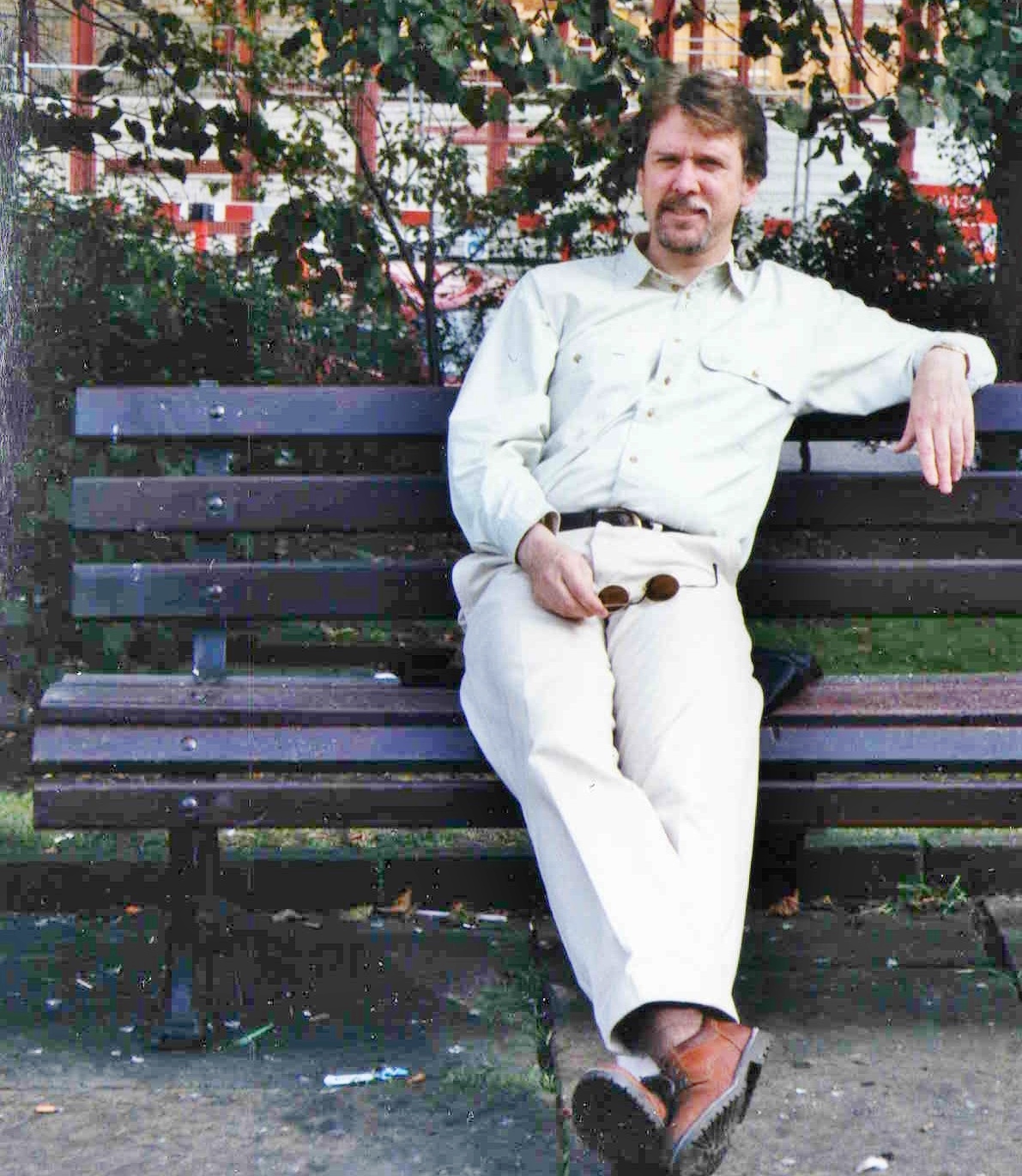
Doctoral Research & Beyond. I then started a DPhil in the history of science at Oxford University, but my supervisers were too conservative, viewing my thesis as over-ambitious for their Faculty of Modern History. So I stepped down and wrote up my would-be DPhil thesis as a condensed journal article and secured its publication. I’ve been an independent scholar in History & Philosophy of Science ever since.
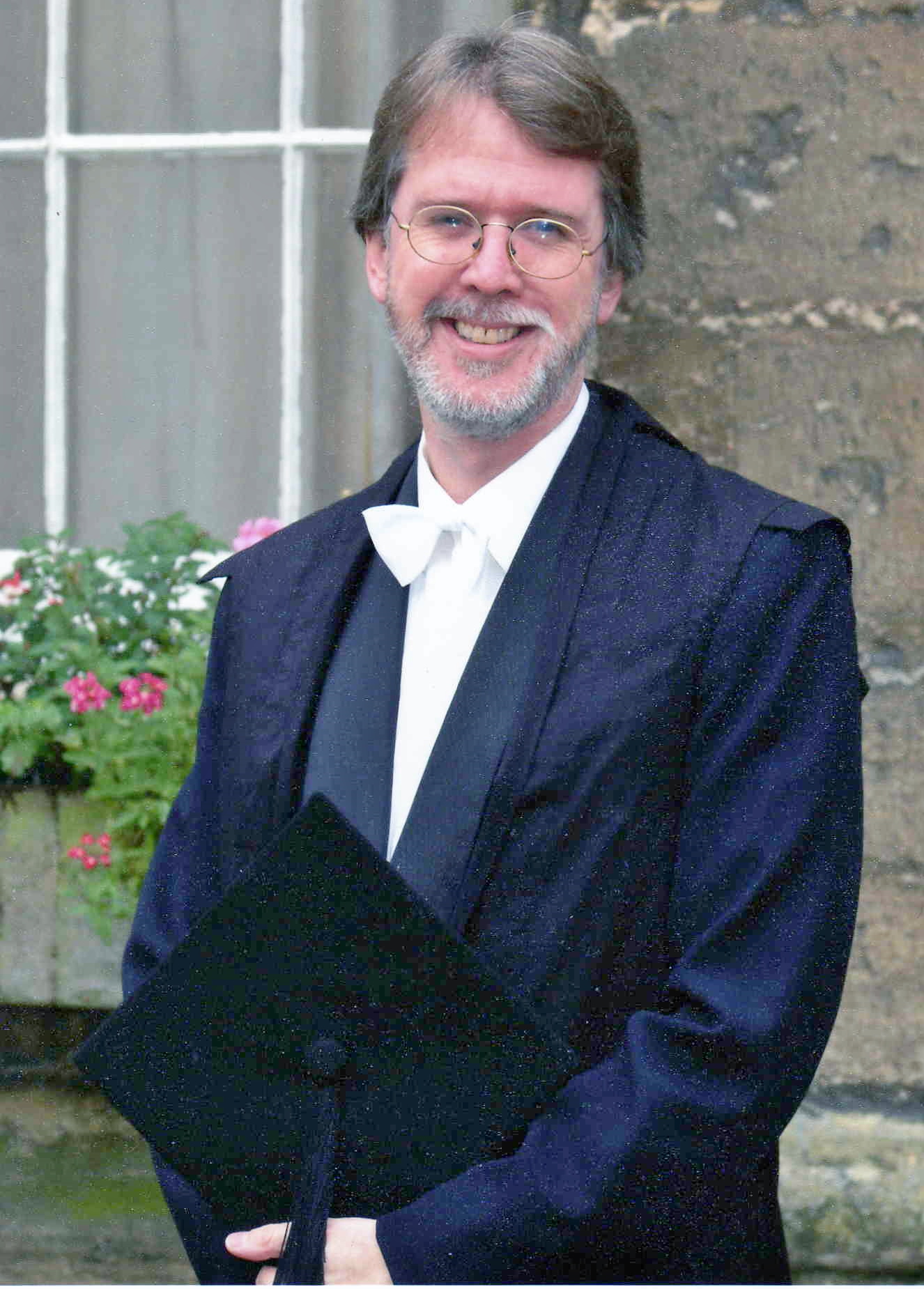
Oxford University 2004
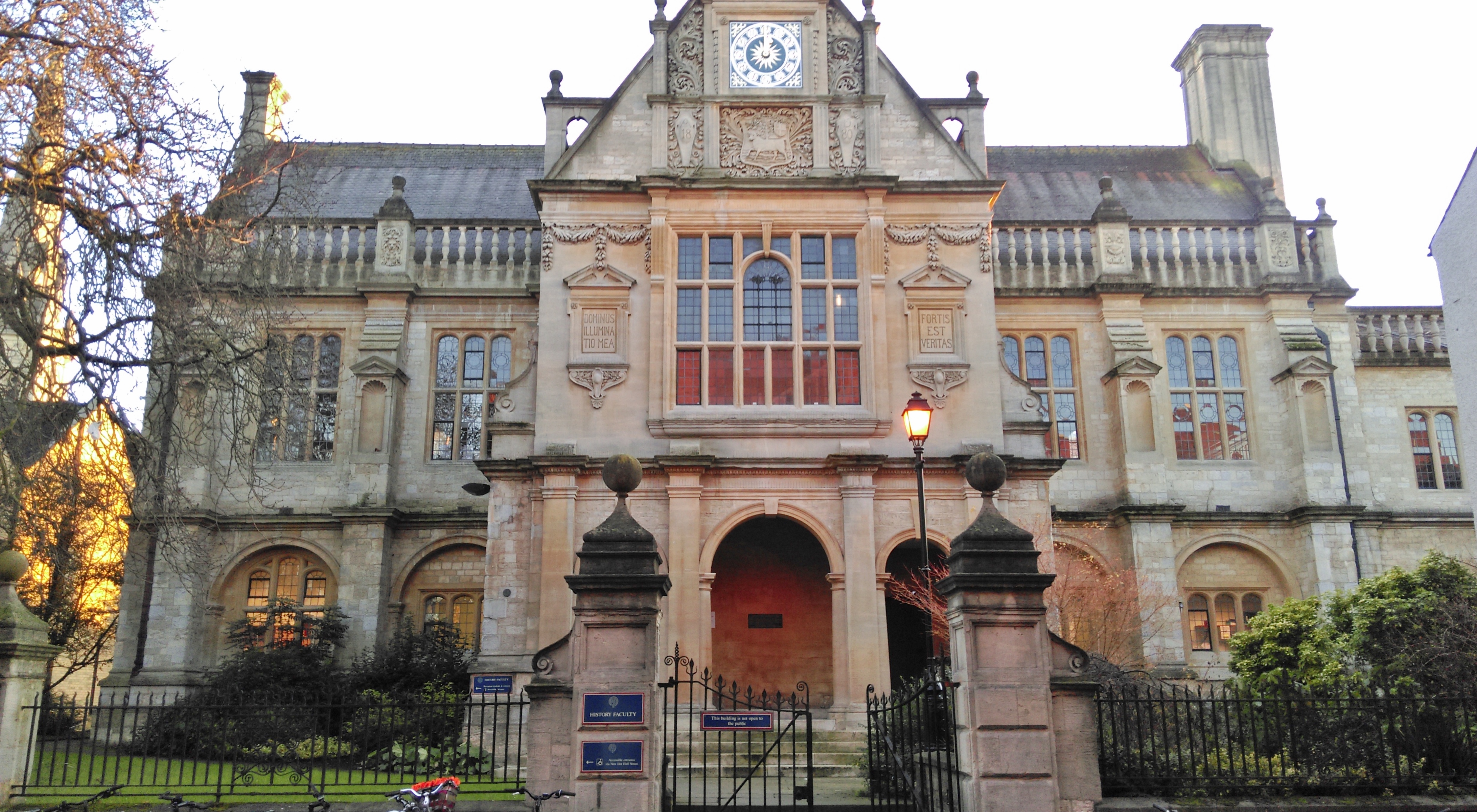
Oxford History Faculty
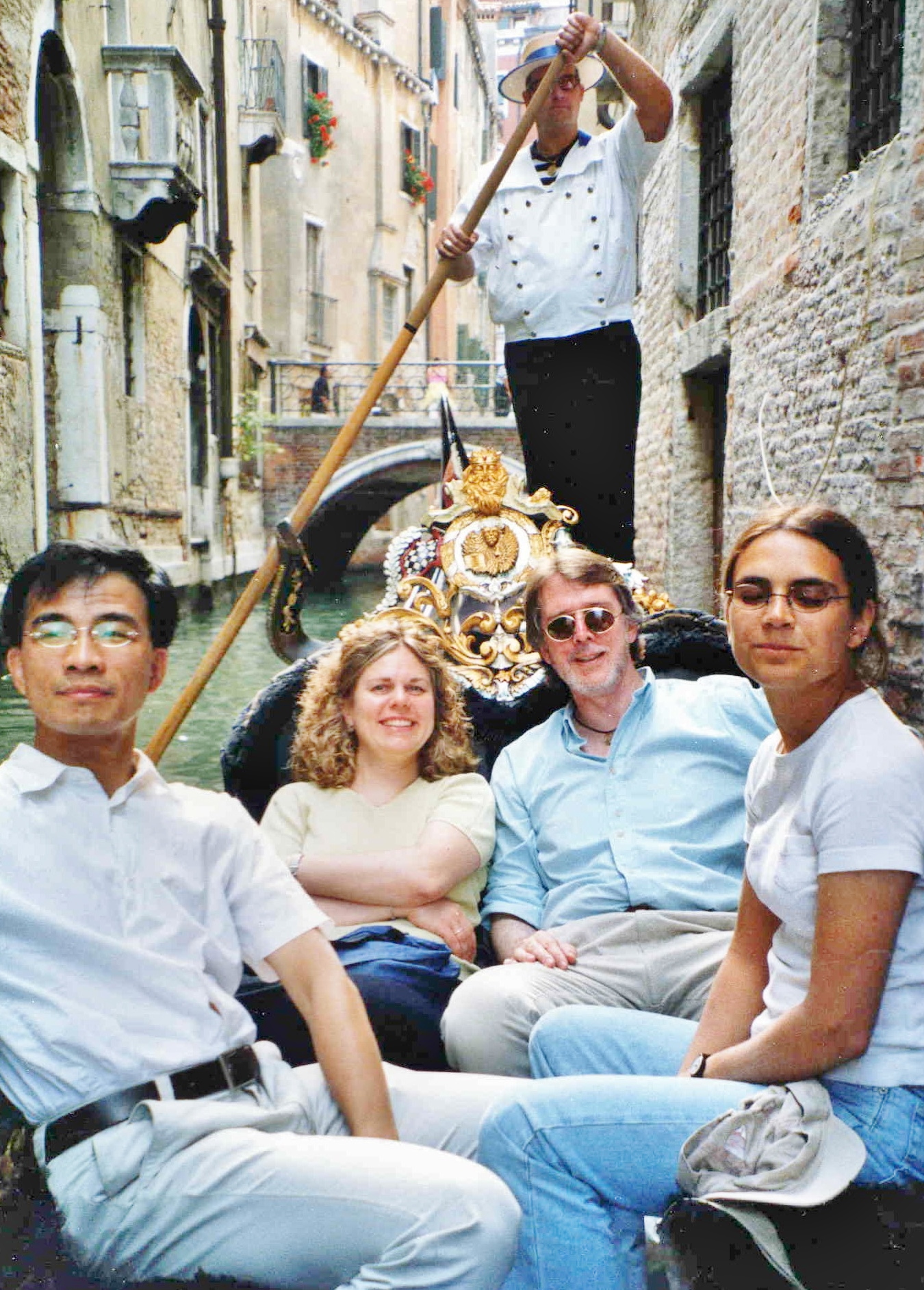
Bologna Workshop Venice 2004